
Foundations of Prāṇāyāma
Breath work is all the rage these days.
And like shamanic plant medicine journeys, Ayurveda, Left-hand Tantra, and any number of esoteric or popularized occult practices, there’s a right way to approach it—a practical way—one that will immediately lead to your benefit. And there’s a not-so-right way to engage—ways that might lead to imbalance, dysregulation or disfunction. So please, be aware, and be careful.
Prāṇāyāma is the conscious regulation of breath. It works directly on prāṇa, the vital force said in classical yoga to animate body and mind.
Traditional teachings describe five primary movements (pañca vāyu): prāṇa-vāyu (inward, centered in the chest), apāna-vāyu (downward, in the pelvis), samāna-vāyu (balancing, at the navel), udāna-vāyu (upward, at the throat and head), and vyāna-vāyu (pervasive, circulating throughout).
Different breathing patterns influence these currents in distinct ways.
Stimulating practices, like kapālabhāti and bhastrikā, tend to energize and can heighten alertness, while calming practices, such as nāḍī-śodhana (alternate nostril breathing), ujjāyī, and slow diaphragmatic breathing, settle the nervous system and support steadiness of attention.
Without guidance, the main risks come from excess: over-retention (kumbhaka), forcing the breath, or using stimulating techniques when already agitated can lead to dizziness, anxiety, or dysregulation rather than clarity.
As a baseline, gentle, even breathing without strain is both safe and sufficient for most practitioners; practices aimed at balance (nāḍī-śodhana) are generally appropriate without a specific goal, while more forceful or retention-heavy techniques are better undertaken with clear intention and experienced instruction.
For reliable frameworks, the classical sources are your steady anchors: the Yoga Sutras of Patanjali (especially the brief but precise treatment of prāṇāyāma in Book II), the Hatha Yoga Pradipika, and the Gheranda Samhita, each outline methods, sequencing, and cautions that emphasize gradual progression and the primacy of steadiness over intensity.
This video is a short clip from a much longer class I hosted on prāṇāyāma—the traditional yogic approach to prāṇā (life force) engagement via breath and visualization. You can find that in the UmaMaYA program library here.
Check it out; there are tons of golden nuggets here to support your awakening practices, not only via breath work, but applicable to other practices, too!
And you can read a little more about the classical approach to prāṇā and prāṇāyāma here, too, with this introduction to a wonderful practice known as “the breath-pause”.
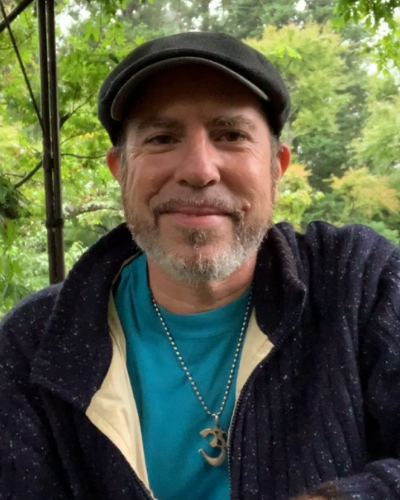
…is a natural mystic, Śaiva-Śākta Tantrika and Jñāna Yogī. David holds degrees in Eastern Philosophy and Semiotics, lives in Japan with his family, and works as an author and teacher of the wisdom traditions, devoting his time to developing science-based tools and programs that help people reach the fullest potential of the human condition. This site is the legacy of the Himalayan Ashram—Uma Maheshwara Yoga & Ayurveda (UmaMaYA).
Would you like to share this article?

Discover more from REAL YOGA
Subscribe to get the latest posts sent to your email.