
Ego Gets a Bad Rap!
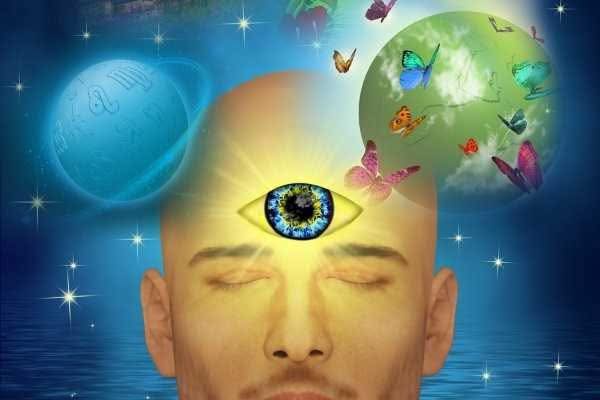
Ego is a machine, controllable and programmable by the same awareness that makes abiding in the present moment possible. Ego is a brilliant machine! In conjunction with other mind mechanisms like intellection and memory, it does its job. And it does it so well that you can leave your life on auto-pilot and live passively until death if that’s your course. And this is where ego gets the bad rap.
People, unaware, not abiding in the moment, heedless of their personal freedom, ability to choose and live a life in alignment with life itself, which most often translates as a personal vision of joy, give over their autonomy to the brilliant ego and the ego runs the show – based on all the input it has received and continues to receive to date.
You curse life, you complain about your lot, you disempower yourself with words and thoughts, you make choices that tell the ego what track to take you on. Thank god for biological imperatives! Ego will continue to protect you from danger with a good shot of adrenaline and a tingly Spidey sense when you need it, but for the most part, it is your servant. So just don’t give the servant the run of the house.

Be the master of your own house and keep your employees well supervised. The ego will be in alignment with whatever you choose to be in alignment with. It has absolutely no autonomy to resist you, devalue any of your choices or ignore anything about reality at all. Don’t give yourself a hidden enemy. There is nothing about you that is not aligned with life except perhaps your view. And that’s on you.
Beyond the Social Media Meme: Understanding Ego in Spiritual Context
In our meme-saturated digital landscape, “ego” has become a catch-all term for arrogance, selfishness, or being “full of yourself.” But this shallow understanding obscures millennia of profound psychological and spiritual insight. For those walking the path of awakening, reclaiming the true meaning of ego is essential.
The Historical Journey of “Ego”
The word “ego” comes from Latin, simply meaning “I.” It entered psychological vocabulary through Sigmund Freud in the early 1900s, who used it to describe one of three parts of the psyche—the rational, reality-oriented aspect that mediates between our base impulses (id) and moral constraints (superego). Carl Jung later expanded this framework, seeing ego as the center of conscious identity while distinguishing it from the larger Self.
But the concept predates Western psychology by thousands of years.
Ahamkara: The Ancient Understanding
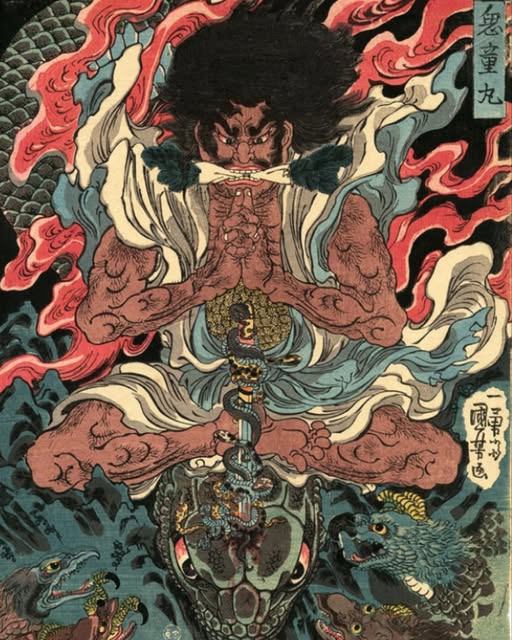
In Sanskrit, ahamkara translates as “I-maker”—the psychological function that creates our sense of individual selfhood. Hindu and Buddhist traditions recognized this mechanism as both necessary for functioning in the world and potentially problematic when taken as absolute reality.
But unlike the modern pejorative use, ahamkara in Vedantic philosophy isn’t inherently negative. It’s a natural cognitive process—like how your hand naturally grasps objects. The issue arises when we mistake this constructed sense of “I” for our deepest truth.
The Ego as Functional Tool
Here’s what gets lost in social media oversimplification: ego serves essential functions. It helps you:
- Navigate social relationships
- Make decisions based on past experience
- Maintain psychological boundaries
- Function as a coherent person in daily life
Problems arise not from having an ego, but from unconscious identification with it—believing that your thoughts, roles, and personal history constitute your entire being.
Spiritual Awakening and Ego
Many spiritual seekers fall into the trap of trying to “kill the ego” or viewing it as the enemy. This often leads to spiritual bypassing—using spiritual concepts to avoid psychological growth—or creating a “spiritual ego” that feels superior for being “evolved.”
Mature spiritual practice involves neither inflating nor annihilating ego, but developing a healthy relationship with it. You begin to see through its stories while appreciating its functional value. The ego becomes like a useful app on your phone rather than your entire operating system.
Moving Beyond Memes
When someone dismisses your perspective as “ego talking,” they’re often missing the nuance. Instead of knee-jerk ego-bashing, we might ask: Is this thought or behavior serving connection and growth, or is it driven by unconscious patterns of defense and separation?
True spiritual maturity involves integrating rather than rejecting our human psychology. We can honor the practical necessity of selfhood while remaining open to the deeper mystery of what we are beyond our personal story.
The goal isn’t to become ego-less, but ego-aware—dancing skillfully with the “I-maker” while knowing it’s not the whole show.

…is a natural mystic, Śaiva-Śākta Tantrika and Jñāna Yogī. David holds degrees in Eastern Philosophy and Semiotics, lives in Japan with his family, and works as an author and teacher of the wisdom traditions, devoting his time to developing science-based tools and programs that help people reach the fullest potential of the human condition. This site is the legacy of the Himalayan Ashram—Uma Maheshwara Yoga & Ayurveda (UmaMaYA).
Would you like to share this article?

Discover more from REAL YOGA
Subscribe to get the latest posts sent to your email.